
The cloud kitchen model—often called dark kitchens or virtual restaurants—has revolutionized modern foodservice. By eliminating front-of-house staff, prime street-level retail rents, and expensive interior decor, operators can focus strictly on culinary excellence and fulfillment velocity.
The Shared Infrastructure Advantage
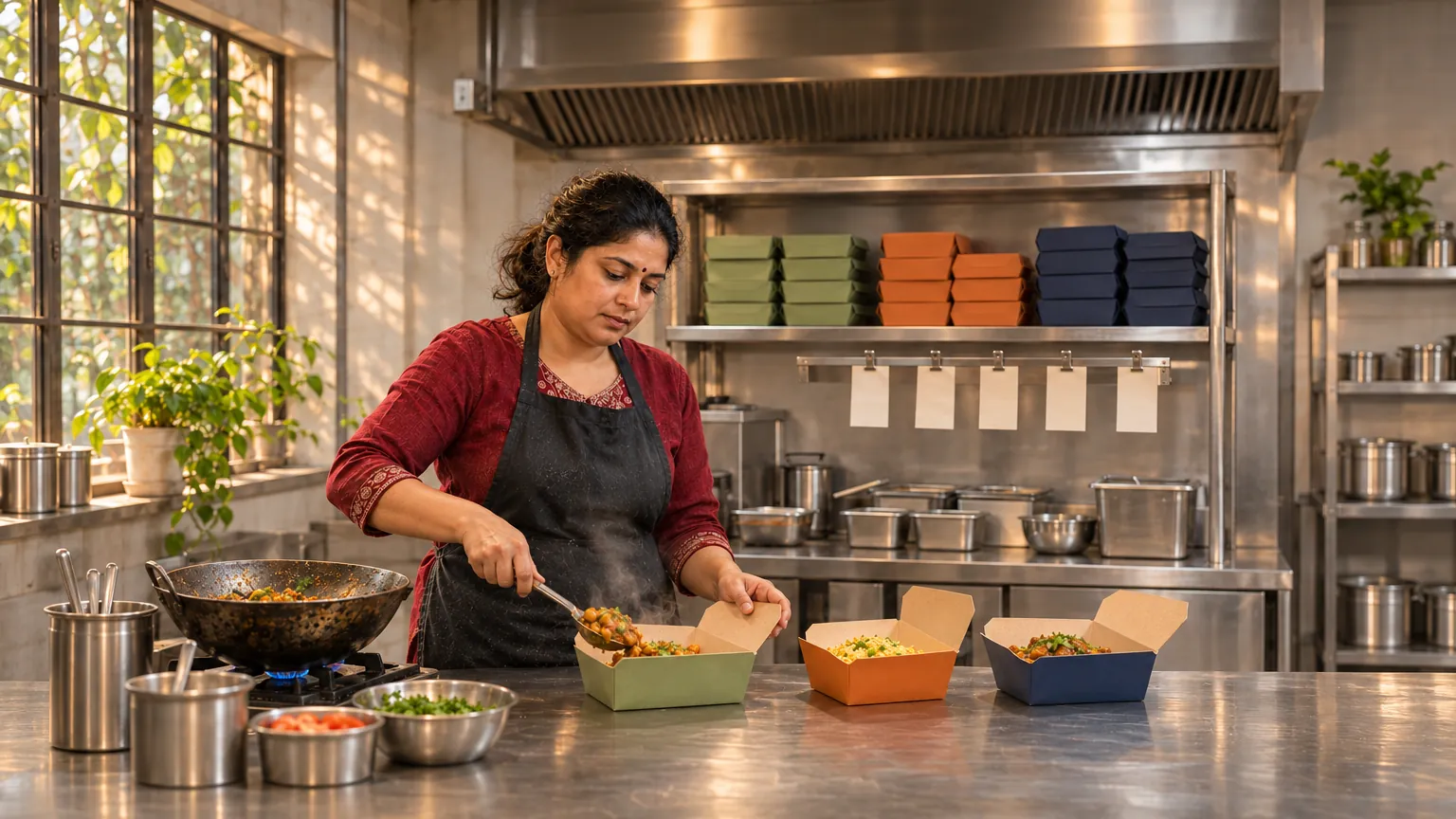
A single 500-square-foot commercial kitchen equipped with standard refrigeration, induction ranges, fryers, and tandoors can comfortably support four distinct culinary concepts:
- Brand A: Gourmet Biryani & Mughlai Rolls
- Brand B: Neapolitan Pizzas & Garlic Breads
- Brand C: Healthy Salad Bowls & Smoothies
- Brand D: Late-Night Desserts & Waffles
Because core ingredients like dairy, vegetables, oils, and packaging overlap, procurement bulk discounts increase while food spoilage drops below 3%.
Centralizing Order Management and KDS
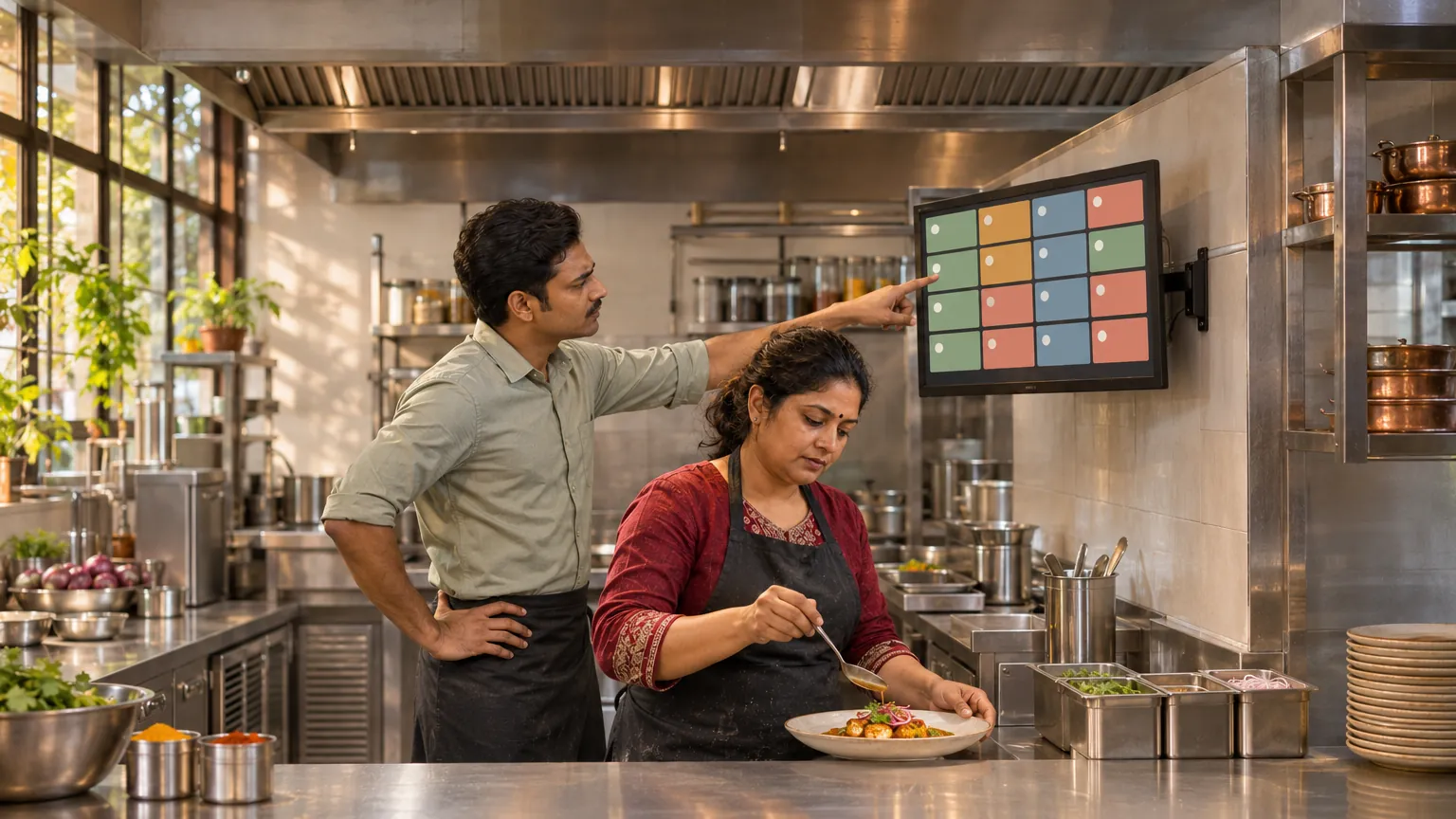
The primary bottleneck for multi-brand operators is kitchen screen chaos. Juggling four separate tablets leads to missed tickets and rider pickup delays.
With unified cloud kitchen software, all digital storefronts feed into a single unified Kitchen Display System (KDS), color-coded by prep station and dispatch priority. Line cooks prepare dishes based on item type regardless of which virtual brand the order originated from.